Bybit just lost 1.5 billion dollars. Not to a market crash. Not to regulation. To hackers. The Lazarus Group walked away with the largest crypto theft in history, and they did it in hours.
Meanwhile, Polish exchange Zonda has 4,500 Bitcoin—over 270 million dollars—trapped in a cold wallet they cannot access. Users cannot withdraw. Panic is spreading. Trust is evaporating.
Here is What Actually Happened
On February 21, 2026, Bybit’s multisig wallet got compromised. Hackers bypassed multiple security layers and drained 1.5 billion dollars in ETH and staked assets. It was sophisticated, coordinated, and devastating.
Zonda’s situation is different but equally terrifying. Their CEO admitted that a cold wallet holding user funds has become inaccessible. The exchange cannot process withdrawals. Users are stuck watching their balances while being unable to touch them.
These are not isolated incidents. Bitcoin Depot reported 3.7 million dollars stolen in a wallet breach. Zerion lost 100K dollars to an AI-driven attack on internal hot wallets. Fake Ledger apps have stolen 9.5 million dollars from unsuspecting users.
Your Bitcoin Is Only Yours If You Hold The Keys
Not your keys, not your coins. It is not a slogan. It is a warning that keeps proving itself true.
When you keep Bitcoin on an exchange, you do not own Bitcoin. You own an IOU. An entry in a database. A promise that can be broken by hackers, insolvency, or plain incompetence.
Self-custody means holding your own private keys. It means removing the middleman. It means that even if every exchange on Earth collapses tomorrow, your Bitcoin is still yours.
The Cold Storage Solution
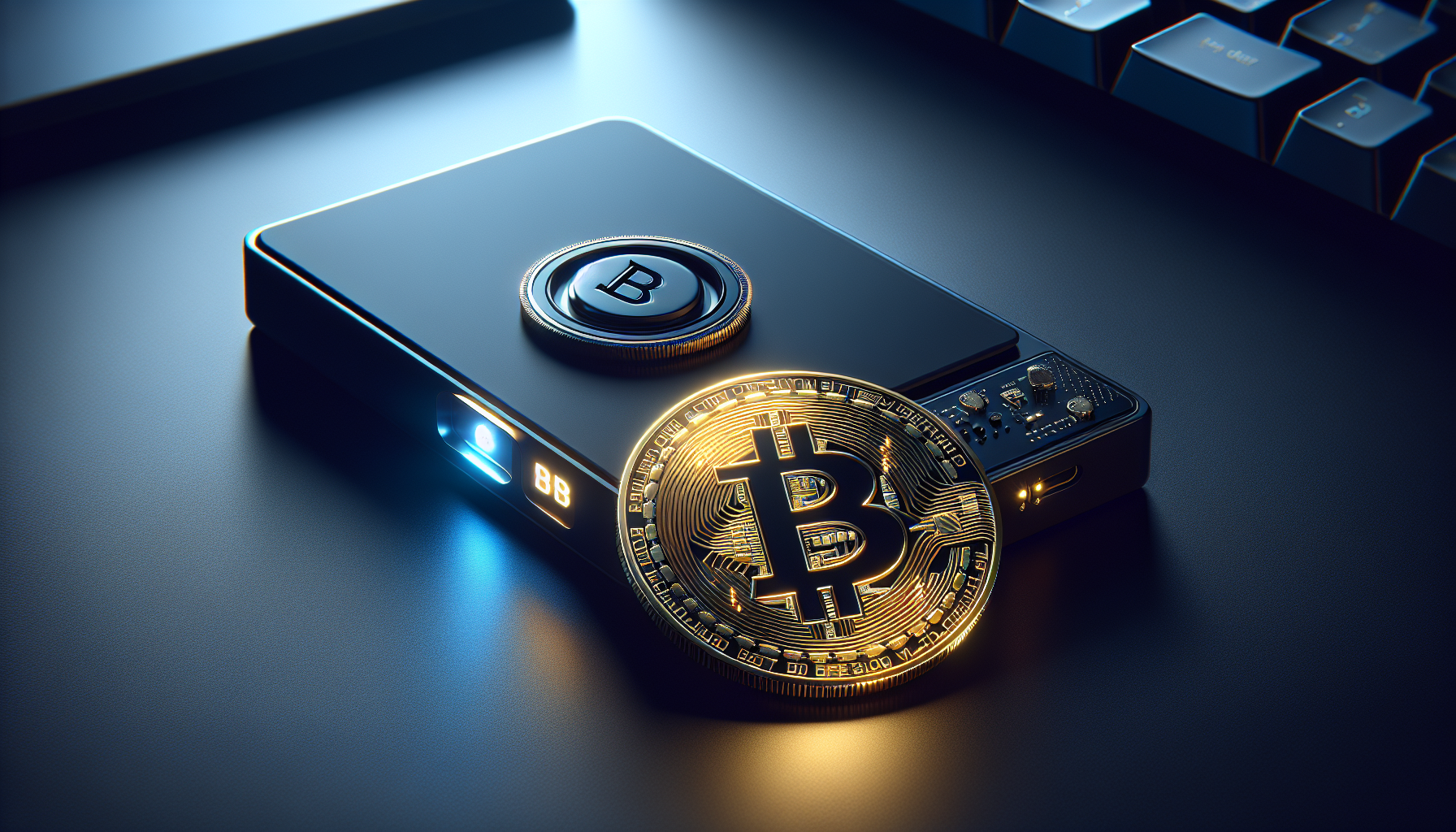
Cold storage means keeping your private keys offline, away from internet-connected devices. Hardware wallets are the gold standard.
Here is why they matter:
Isolation. Hardware wallets generate and store keys on a secure chip that never touches the internet. Even if your computer is compromised, your keys stay safe.
Physical control. You hold the device. You create the recovery phrase. No third party can freeze, seize, or lose your funds.
Verification. Every transaction must be physically confirmed on the device. Remote attackers cannot sign transactions without your device in hand.
Current Market Reality
Bitcoin is trading around 75,000 dollars, battling resistance at the 75K-76K dollar range. Geopolitical tensions are driving hedge demand. ETF inflows remain strong. Institutional adoption continues.
But here is the thing: price does not matter if you do not actually control your assets. A 75,000 dollar Bitcoin balance on a compromised exchange is worth zero.
The Counterfeit Problem
Here is a twist that should terrify you: fake hardware wallets are now a real threat. Counterfeit Ledger devices have been found draining wallets across 20 chains. These devices look identical to real ones but contain malicious firmware that steals your seed phrase the moment you set them up.
The lesson? Buy directly from the manufacturer. Never from third-party sellers. Never from auction sites. The discount is not worth losing everything.
How To Secure Your Bitcoin Properly
Step 1: Buy a reputable hardware wallet directly from the manufacturer’s official website. No exceptions.
Step 2: Initialize the device in a secure, private location. Write down your 24-word recovery phrase on the provided card. Never store it digitally.
Step 3: Create a metal backup. Paper burns. Metal does not. Store your recovery phrase in a fireproof, waterproof container.
Step 4: Transfer your Bitcoin from exchanges to your hardware wallet in small test amounts first. Verify everything works.
Step 5: Store your recovery phrase in a separate, secure location from your hardware wallet. If someone finds your device, they should not find your backup.
Do Not Wait For The Next Hack
Bybit users thought they were safe. They were not. Zonda users trusted their exchange. Now they are locked out.
The pattern is clear: exchanges are targets. Centralized custody is risk. Self-custody is not paranoia—it is survival.
At around 75,000 dollars per Bitcoin, the stakes have never been higher. A single hardware wallet costs less than 0.1% of one Bitcoin. It is the cheapest insurance you will ever buy.
The choice is yours: trust someone else with your wealth, or take control yourself.
Summary
2026 has already delivered brutal lessons in crypto security. The Bybit hack (1.5B dollars), Zonda’s frozen wallet crisis (270M+ dollars), and countless smaller breaches prove that exchange custody is dangerous. Bitcoin is trading near 75,000 dollars, making proper security more critical than ever. Hardware wallets remain the best defense against theft, exchange failure, and human error. Buy direct from manufacturers, verify device authenticity, and never store your recovery phrase digitally. Your financial sovereignty depends on it.