Why Cold Storage Is Non-Negotiable After the $286 Million Drift Protocol Hack
The cryptocurrency landscape changed dramatically in April 2026. While Bitcoin has rebounded to its highest levels since the February crash that sent prices plummeting to $60,000, the security infrastructure protecting those assets has come under unprecedented scrutiny. The Drift Protocol hack on April 1, 2026, exposed vulnerabilities that cost users $286 million in just 12 minutes. This wasn’t a sophisticated quantum attack or nation-state operation. Attackers spent three weeks quietly manufacturing fake collateral and socially engineering the protocol’s defenses. The speed of the theft serves as a stark reminder that in crypto, security isn’t just important—it’s everything.
The Current Threat Landscape
Bitcoin has shown remarkable resilience, climbing back from the February 5 crash that rattled markets. Optimism over developments in the Middle East sparked sharp declines in oil prices and rallies across risk markets, with Bitcoin leading the charge. However, this recovery masks a deeper crisis brewing beneath the surface. Developers are now debating an unprecedented proposal that could freeze approximately 1.7 million BTC worth $74 billion, threatened by the looming specter of quantum computing attacks.
This quantum threat represents a fundamental challenge to Bitcoin’s “your keys, your coins” promise. The proposal has ignited fierce debate within the community, with some arguing that preemptive freezing of vulnerable coins is necessary to protect the network, while others see it as a betrayal of Bitcoin’s core principles of sovereignty and immutability. The technical complexity of implementing quantum-resistant cryptography without destroying the fungibility and decentralization that make Bitcoin valuable has created a genuine dilemma for developers.
Meanwhile, regulatory clarity is slowly emerging. The SEC and CFTC have issued a joint interpretation of a five-part token taxonomy for crypto assets, marking a shift from enforcement-heavy oversight to formalized regulatory frameworks. The SEC has also opened proceedings on NYSE American’s proposal to list options on the Grayscale CoinDesk Crypto 5 ETF, signaling growing institutional acceptance of cryptocurrency derivatives. These developments suggest the market is maturing, but they also bring new compliance requirements and operational risks that investors must navigate.
Understanding Cold Storage
Cold storage refers to keeping cryptocurrency completely offline, disconnected from any internet-connected device. This simple principle eliminates the vast majority of attack vectors that hackers exploit. When your private keys never touch a device with network access, they cannot be stolen through malware, phishing, exchange hacks, or protocol exploits. The ownership of cryptocurrency fundamentally changed after multiple major exchanges suffered operational failures and security breaches throughout recent years. Instead of trusting exchanges or online applications, ownership stays with the key holder.
The distinction between hot and cold storage isn’t merely technical—it’s philosophical. Hot wallets, while convenient for trading and daily transactions, operate on the assumption that constant connectivity is worth the risk. Cold storage operates on the opposite assumption: that true security requires air-gapped isolation. This philosophy has gained urgency as the scale and sophistication of attacks have increased. The Drift Protocol hack demonstrated that even well-funded, professionally audited DeFi protocols can be compromised through social engineering and patient, methodical exploitation.
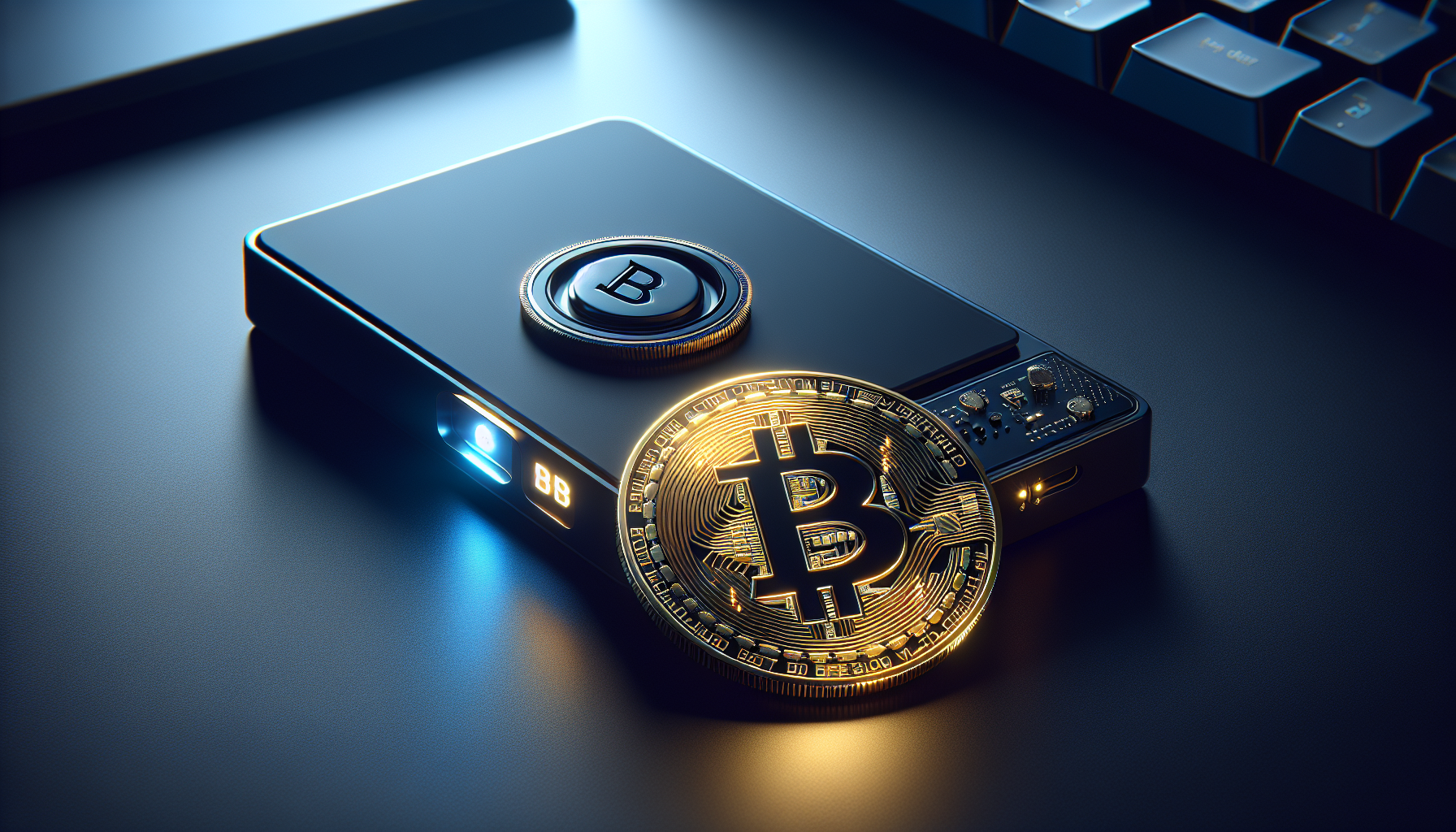
The technical implementation of cold storage varies. Paper wallets represent the most basic form—simply writing private keys on physical paper and storing them securely. While effective against digital attacks, paper degrades, burns, and can be physically stolen. Hardware wallets offer a middle ground, combining physical security with digital convenience. These specialized devices store private keys in secure elements, isolated from internet-connected computers even when plugged in. The device signs transactions internally, only broadcasting the signed transaction to the network, never exposing the private key itself.
The Hardware Wallet Advantage
Hardware wallets have emerged as the gold standard for cryptocurrency security in 2026. These devices combine the offline security of cold storage with the usability needed for regular transactions. Unlike software wallets that store private keys on internet-connected computers, hardware wallets keep keys in specialized secure chips that never expose them to the host computer. When you initiate a transaction, the hardware wallet signs it internally and only transmits the signed transaction, keeping your private keys completely isolated.
The security model of hardware wallets addresses multiple threat vectors simultaneously. Malware on your computer cannot extract keys it cannot access. Phishing websites cannot steal what isn’t connected to the internet. Exchange hacks become irrelevant because your assets aren’t on exchanges. Even sophisticated attacks like the one that compromised Drift Protocol require access to online systems, which hardware wallets simply don’t have when properly configured.
However, hardware wallets are not magic. Their security depends entirely on proper usage. Users must verify transaction details on the device screen before confirming, as malware could display one address on the computer while the hardware wallet signs a transaction to another. Recovery seed phrases must be stored securely, as anyone with access to the seed controls the funds. Physical security matters too—if someone steals your hardware wallet and knows your PIN, they have your crypto. The device is a tool, and like all tools, its effectiveness depends on the skill and diligence of the user.
Lessons from the Drift Protocol Exploit
The Drift Protocol hack reveals critical lessons about cryptocurrency security that every investor should internalize. First, no amount of auditing or professional security guarantees safety if the fundamental architecture keeps assets in online systems. The attackers didn’t break encryption or exploit cryptographic vulnerabilities—they manipulated collateral mechanisms and exploited trust in the protocol’s economic model. This type of attack, often called a “social engineering” or “economic exploit,” targets the human and protocol-level assumptions rather than the underlying cryptography.
Second, the speed of modern attacks has changed the risk calculus. Twelve minutes from initial exploit to complete loss means that monitoring and response systems, however sophisticated, cannot save funds once an attack begins. Prevention must happen before the attack, not during or after. This reality makes cold storage not just preferable but essential for any holdings that aren’t actively being traded. The convenience of keeping assets in hot wallets for quick access must be weighed against the impossibility of recovering stolen funds.
Third, the scale of losses concentrates when protocols hold pooled assets. Drift Protocol’s $286 million loss represents thousands of individual users’ funds aggregated into a single target. This concentration creates incentive structures that attract sophisticated attackers willing to invest months of preparation for a single payout. Individual users with properly implemented cold storage face different economics—attacks against isolated hardware wallets require physical access or social engineering of individuals, not technical exploits of complex protocols. The distributed nature of self-custody creates natural security through diversity.
Regulatory Developments and Custody
The regulatory environment for cryptocurrency has shifted meaningfully in 2026. The SEC and CFTC’s joint interpretation of token taxonomy provides clarity that has been sorely lacking, but it also raises questions about custody requirements for institutional investors. As traditional financial products like ETFs and options gain approval, the distinction between self-custody and third-party custody becomes increasingly important for both compliance and security.
The SEC’s proceedings on Grayscale ETF options represent a maturation of the market infrastructure. Options provide hedging mechanisms that institutional investors require, but they also introduce complexity and counterparty risk. Investors trading these derivatives must understand that their exposure extends beyond the underlying cryptocurrency to the exchange and clearing mechanisms that facilitate these trades. Cold storage protects the underlying asset but cannot eliminate the counterparty risks inherent in derivative instruments.
For individual investors, the regulatory clarity brings both opportunity and obligation. The formalization of cryptocurrency within existing financial frameworks means greater legitimacy and potentially easier integration with traditional banking. However, it also means increased reporting requirements and scrutiny. Proper documentation of cold storage holdings, including hardware wallet purchases and seed phrase backup procedures, may become important for tax and regulatory compliance. The security practices that protect your assets must also accommodate the documentation needs of a maturing market.
Quantum Computing: The Long-Term Threat
The debate over quantum-resistant measures highlights the long-term thinking required in cryptocurrency security. While current quantum computers cannot break Bitcoin’s elliptic curve cryptography, the timeline for viable quantum attacks is measured in years, not decades. The proposal to freeze 1.7 million BTC worth $74 billion reflects genuine concern that early Bitcoin holdings, whose addresses may have exposed public keys through spending, could be vulnerable to future quantum attacks.
This threat landscape makes hardware wallet choice more important than ever. Devices that support firmware updates and new cryptographic standards will adapt to quantum-resistant algorithms as they emerge. Closed systems that cannot be updated may become liabilities rather than assets. When evaluating hardware wallets, consider not just current security features but the manufacturer’s track record of supporting new standards and their commitment to long-term device maintenance.
The quantum threat also reinforces the importance of address reuse practices. Bitcoin addresses should be used once and then abandoned, with change sent to new addresses. This practice, already recommended for privacy, becomes a security imperative in a quantum context. Addresses that have never sent funds have never exposed their public keys, making them immune to even theoretical quantum attacks. Hardware wallets that automate address rotation and make single-use addresses convenient encourage these security best practices.
Implementing a Cold Storage Strategy
Effective cold storage requires more than just buying a hardware wallet—it demands a comprehensive approach to key management and operational security. Start by assessing what you’re protecting and against what threats. Small holdings might justify simple paper wallets stored in multiple secure locations. Larger holdings warrant hardware wallets with redundant backups and geographic distribution of recovery materials. Institutional holdings may require multi-signature setups with keys distributed among multiple hardware devices and multiple individuals.
The recovery seed phrase is both your safety net and your greatest vulnerability. Write it down on durable material, not paper that can burn or degrade. Store copies in multiple physically secure locations—consider fireproof safes, safe deposit boxes, or buried metal plates. Never store seed phrases digitally, never photograph them with internet-connected cameras, and never enter them into any computer. The seed phrase is your private key in human-readable form, and anyone who obtains it controls your funds completely.
Test your recovery process before trusting it with significant funds. Initialize your hardware wallet, record the seed phrase, then completely reset the device and restore from the seed. Verify that the restored wallet generates the same addresses and can access any test funds you sent. This verification process catches transcription errors and ensures you actually can recover your funds in an emergency. Many users have discovered too late that their seed phrase backup was incomplete or incorrect.
Hardware Wallet Selection Criteria
When selecting a hardware wallet in 2026, several factors should guide your decision. Security architecture matters most—look for devices with certified secure elements, open-source firmware that has been audited by security professionals, and transparent security practices from the manufacturer. The track record of the company matters; established players with years of bug bounty programs and security research engagement demonstrate commitment to ongoing security improvement.
User experience affects security directly. Complicated interfaces lead to user errors, which lead to lost funds. Devices with clear transaction verification screens, straightforward backup procedures, and intuitive navigation reduce the risk of mistakes. Consider the display quality—can you clearly read addresses and amounts before confirming? Small or low-resolution screens make address verification difficult, increasing phishing risk.
Supported cryptocurrencies matter if you hold diverse assets. While Bitcoin security is paramount, many investors hold Ethereum, stablecoins, and other tokens. A hardware wallet that supports your full portfolio simplifies security management and reduces the temptation to leave assets on exchanges for convenience. Firmware update frequency and manufacturer responsiveness to discovered vulnerabilities also indicate long-term viability. The device you buy today should receive security updates for years to come.
The Psychology of Security
Understanding the psychological aspects of cryptocurrency security helps explain why intelligent people make costly mistakes. Loss aversion—the tendency to feel losses more intensely than equivalent gains—drives some investors to keep assets on exchanges where they feel accessible and “safe” despite overwhelming evidence that exchanges are higher-risk than self-custody. The abstraction of digital assets makes the risk feel less real than physical threats, even when the financial consequences are identical.
Optimism bias leads investors to believe that hacks happen to others, not to them. The Drift Protocol victims likely believed that professional-grade security audits and established protocols provided adequate protection. The reality is that security is always relative, and even sophisticated systems can fail. Cold storage eliminates entire categories of risk through architectural design rather than procedural security. This fundamental difference makes it objectively more secure, regardless of the competence or resources of any custodian.
The learning curve of hardware wallets creates friction that pushes users toward simpler but less secure options. Exchanges offer one-click buying and intuitive interfaces. Hardware wallets require setup, backup procedures, and ongoing operational discipline. This friction is actually a security feature—it forces intentionality and prevents accidental exposure. The time invested in learning proper cold storage procedures pays dividends in protection that no exchange can match.
Summary and Call to Action
The cryptocurrency security landscape of April 2026 demands a proactive approach to asset protection. Bitcoin’s price recovery to post-crash highs represents significant wealth for holders, but that wealth is only secure when properly protected. The $286 million Drift Protocol hack demonstrated that even sophisticated DeFi infrastructure can fail catastrophically. The quantum threat on the horizon challenges long-held assumptions about cryptographic permanence. Regulatory developments bring new requirements but also new legitimacy to the asset class.
In this environment, cold storage through hardware wallets emerges as the essential security practice for serious cryptocurrency holders. The combination of offline key storage, transaction verification on device screens, and user-controlled backup procedures provides protection that exchanges and hot wallets cannot match. The upfront investment in hardware and the learning curve of proper setup are trivial compared to the risk of losing everything to a protocol exploit, exchange hack, or sophisticated phishing attack.
The time to implement cold storage is before you need it, not after a hack makes clear the vulnerability of other approaches. Every day that assets remain on exchanges or in hot wallets is a day they remain exposed to the threats that have cost the cryptocurrency community billions of dollars. The tools exist, the knowledge is available, and the stakes have never been clearer. Protect your Bitcoin. Protect your future.